
30,000+ Shades of Color with Names and HEX Code
Explore unique color shades for your website, brand or any project.
-
#c93f38

100 Mph
-
#9b6575

Jellybean Pink
-
#4b6e3b

Gully Green
-
#b0dfa4
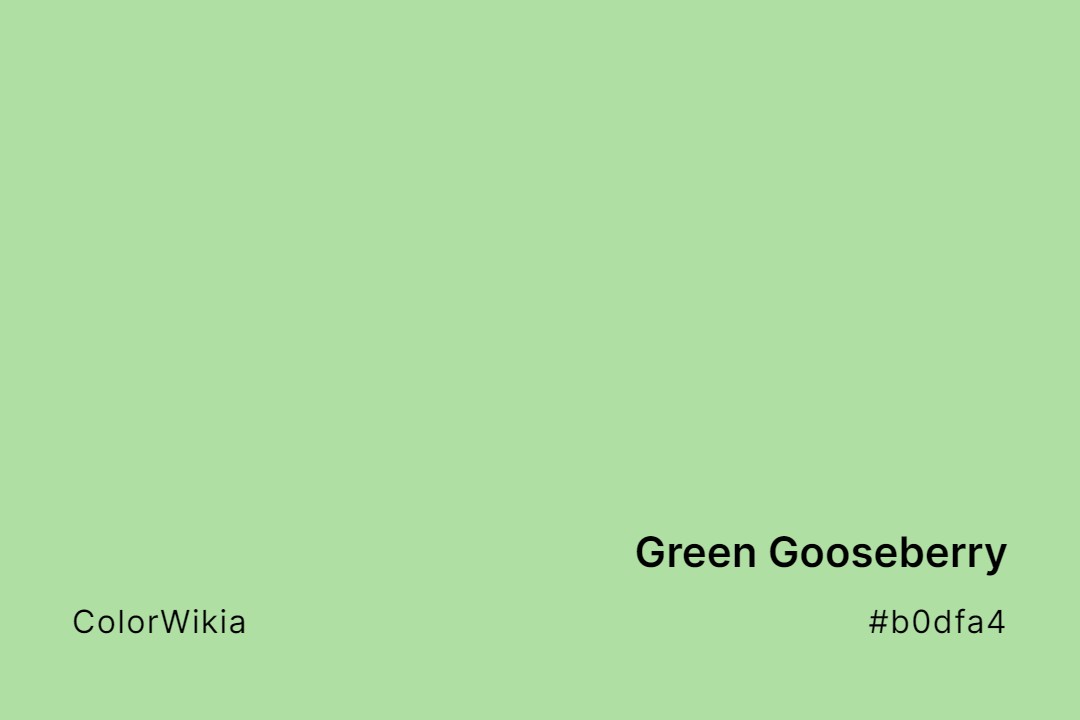
Green Gooseberry
-
#a8d3e1

Light Blue Glint
-
#266242

Green Pea
-
#660000

Red Blood
-
#ee0000

MVS Red
-
#ff1100

Furious Red
-
#b6b5b8

Silver Bullet
-
#938a2a

Potter Green
-
#4b6113

Camouflage Green
-
#dd2233

Red-Handed
-
#49583e

Heavy Green
-
#e7c9ca

Pink Spinel
-
#33ffff

Beaming Blue
-
#405b50

Woodlawn Green
-
#fbf1df

Soft Ivory
-
#006c67
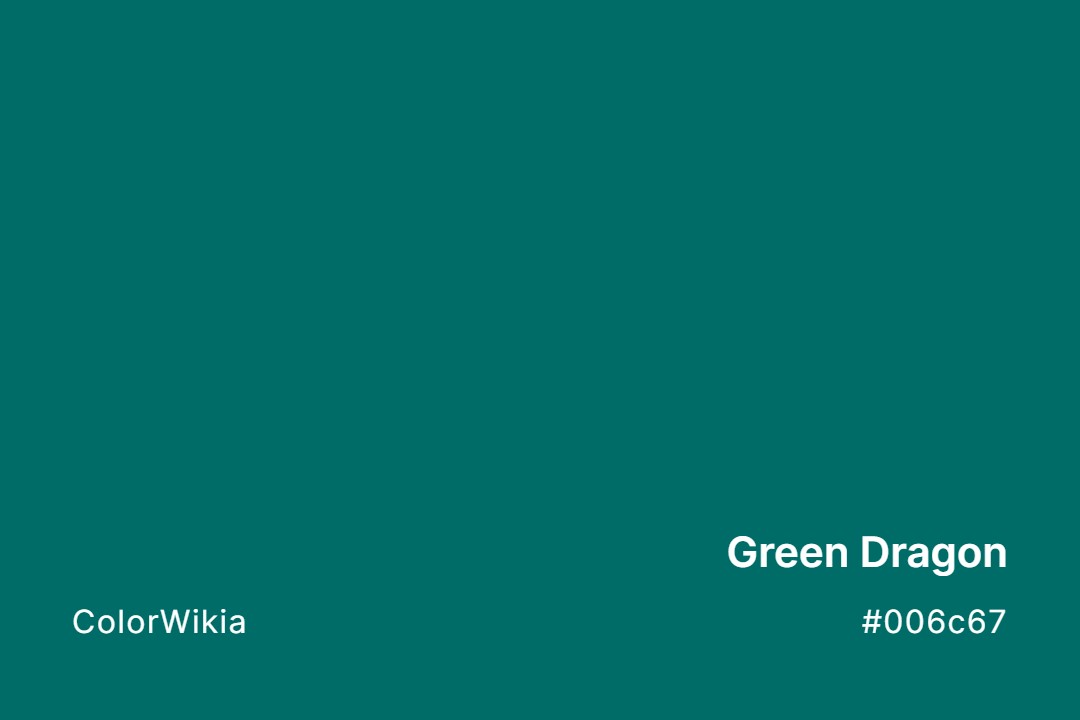
Green Dragon
-
#427131

Druid Green
-
#40534e
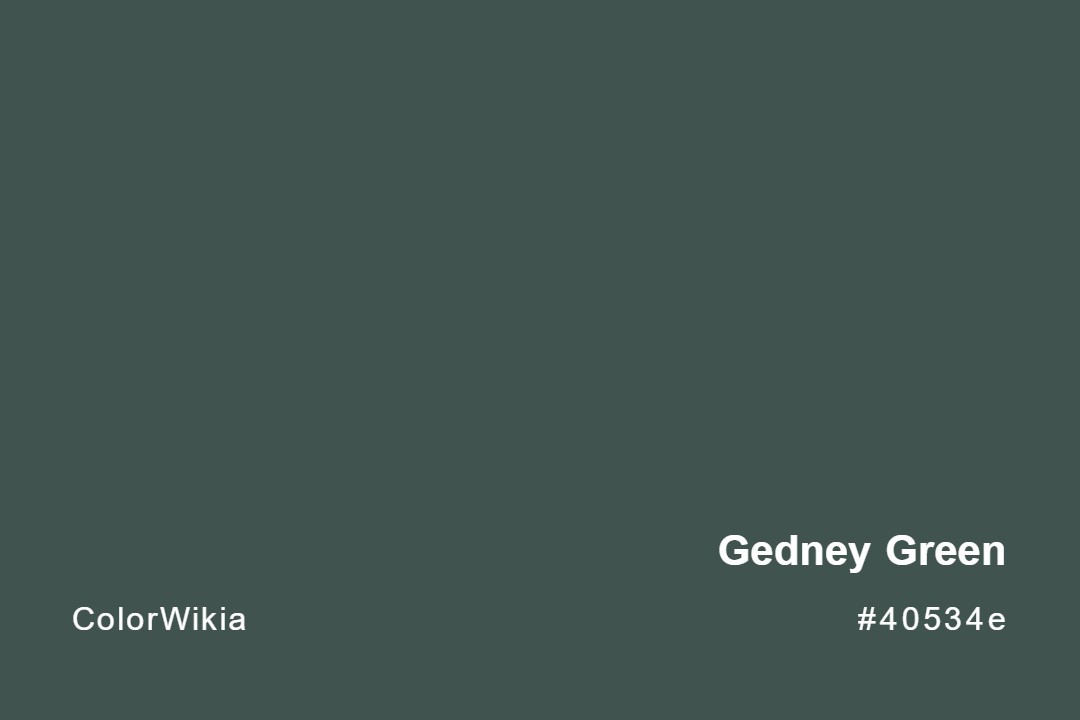
Gedney Green
-
#475742

Catachan Green
-
#9c657e

Batik Pink
-
#4da241

Oregano Green
-
#c1b76a

Linden Green
-
#3d5c54

Trekking Green
-
#439946

Kryptonite Green
-
#b5b5bd

Enchanted Silver
-
#f8cbc4

Flush Pink
-
#007f3a

Charmed Green
-
#99dac5

Pageant Green
-
#007488

Glamour Green
-
#cdca98

Tidal Green
-
#b4b9b9

Silver Mistral
-
#b6ac4b

Dill Green
-
#c5cf98

Lily Green
-
#b2cfd3

Clinical Soft Blue
-
#008f3c

Viper Green
-
#8b7880

Purple Rubiate
-
#11ffff

Looney Blue
-
#65dcd6

Hammam Blue
-
#006b3c

Cadmium Green
-
#ffb2f0

Pink Apotheosis
-
#008b3c

Cold Green
-
#8bcbab

Sybarite Green
-
#90c4b4

Catarina Green
-
#aca49a

Warm Grey Flannel
-
#544e31

Thatch Green
-
#26623f

Fairway Green
-
#9cad3b

Macaw Green
-
#f00000

Helvetia Red
-
#026b67

Chitin Green
-
#3e644f

Serbian Green
-
#9e6b89

Pink Jazz
-
#5e8c31

Maximum Green
-
#ecc9ca

Pink Cardoon
-
#5dbcb4

Hygiene Green
-
#a3898a

Tin Pink
-
#50c87c

Paris Green
-
#376d03

Tatzelwurm Green
-
#73ccd8

Slick Blue
-
#cdc7bd

Micaceous Light Grey
-
#8ba8ae

Stone Silver
-
#00aa00

Phosphor Green
-
#9cd2b4

Menthol Green
-
#4f5845

Albert Green
-
#027275
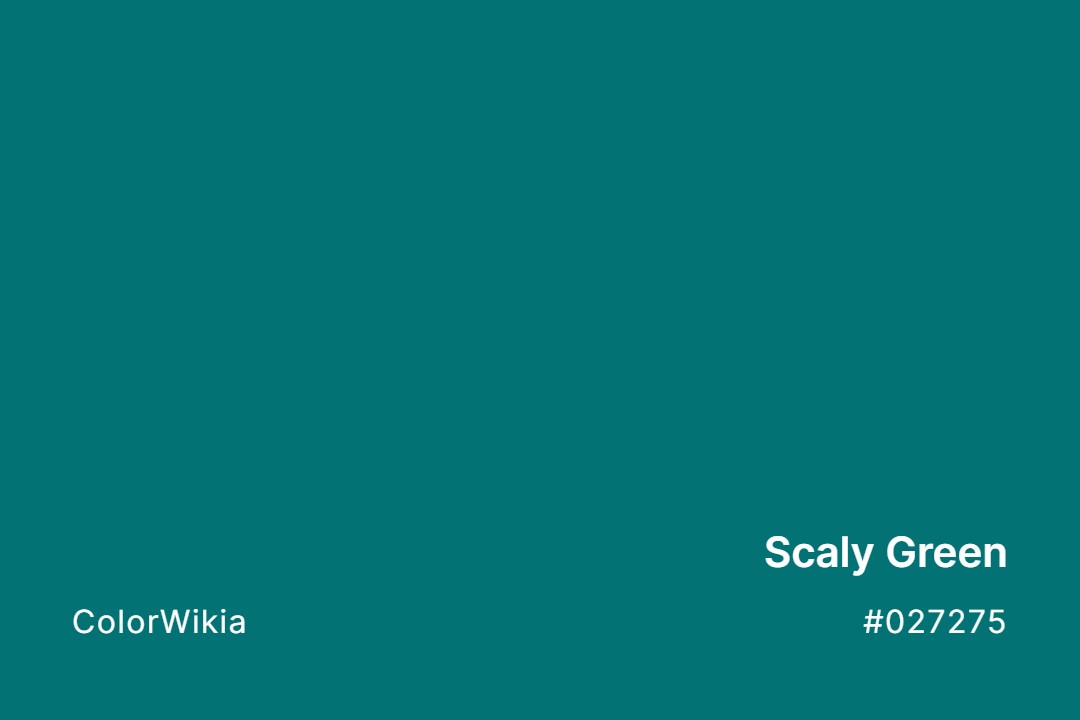
Scaly Green
-
#9d6984

Penelope Pink
-
#e2f0d2

Light Greenette
-
#57a1a0

Teal Bayou
-
#7f5158

Sunset Red
-
#02737a

Scurf Green
-
#48c072

Iridescent Green
-
#465149

Green Column
-
#b0c69a

Sheer Green
-
#585442
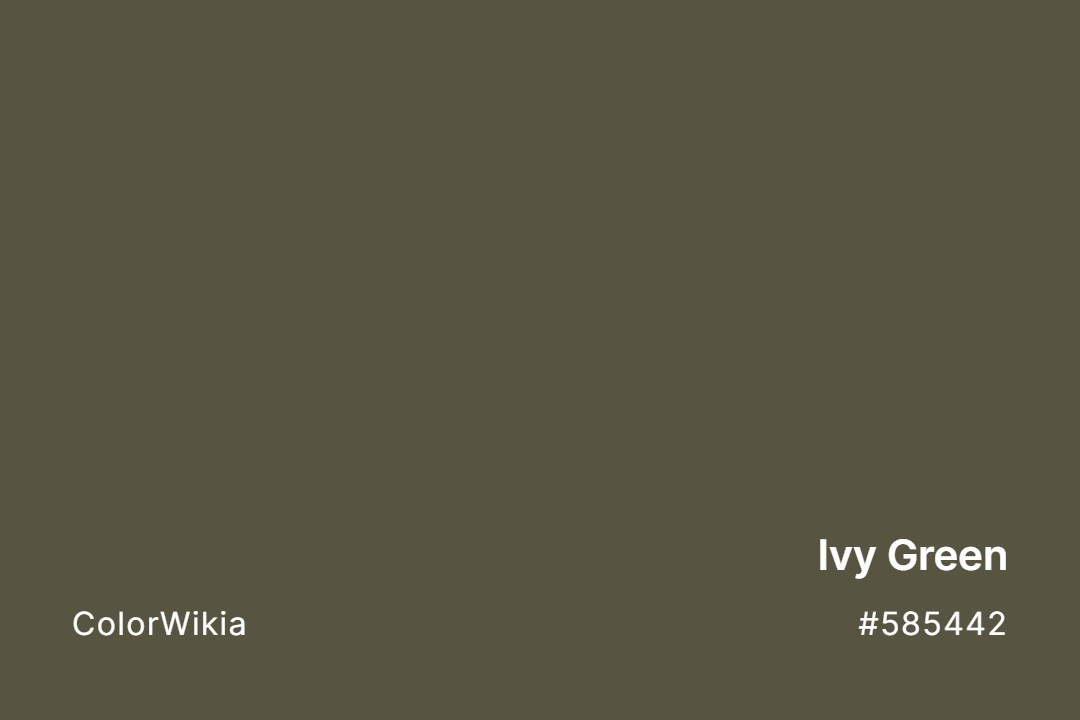
Ivy Green
-
#ffb3f0

Hermosa Pink
-
#f3c6cc

Energetic Pink
-
#5e96c3

Blueberry Soft Blue
-
#bccbb9

Pastel Grey Green
-
#acd6db

Light Jellyfish Blue
-
#4b5d16

Kyuri Green
-
#22acae

Greenland Green
-
#087170

Boating Green
-
#eacacb

Petite Pink
-
#395549

Leprechaun Green
-
#aac69a

Geddy Green
-
#81762b

Faience Green
-
#d4e092

Charming Green
-
#0b6863

Butterfly Green
-
#4e939d

Teal Trinket
-
#c1c1d1

Silver Dagger
-
#2d7f6c

Green Belt
-
#a8a798

Silver Lustre
-
#7ac7e1

Bliss Blue
-
#8b762c
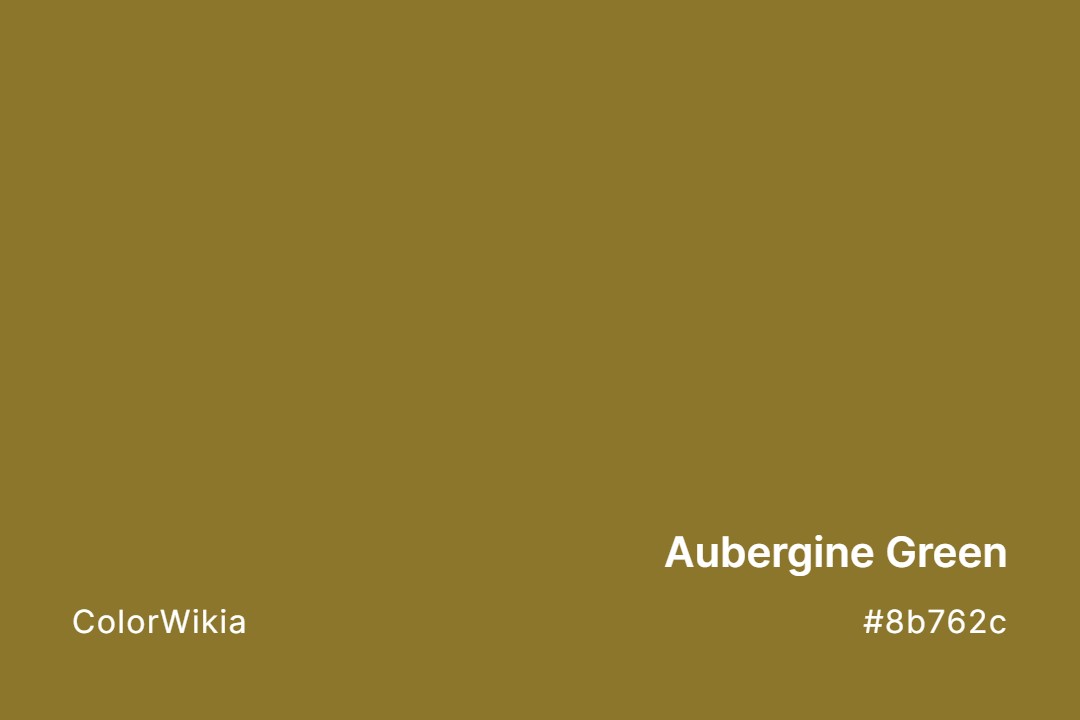
Aubergine Green
-
#f20000

Spectrum Red
-
#00693c

Frog Green
-
#794d60

Red Endive
-
#a5b145

Elysian Green
The language of color can become confusing because everyday speech and color theory do not always use the word shade in exactly the same way. A page about color shades may describe a whole group of related colors, while the technical definition of a shade refers specifically to a hue made darker with black.
That difference matters when you compare taupe color shades, rust shades, or any other color family. The names people use are practical labels, while color systems provide more precise ways to describe the underlying values.
Understanding the difference between shade, tint, tone, and hue makes it easier to talk about color accurately. It also explains why one named color can have several related variations.
What Is a Color Shade?
In strict color theory, a shade is a hue with black added. Adding black lowers the lightness and produces a darker version of the starting color. A red can move toward burgundy, for example, while a blue can move toward navy.
In everyday language, people use shade more broadly. A search for “different shades of blue” may include lighter, darker, muted, and named variations that are not technically shades under the narrow definition.
That broader usage is common in design, retail, fashion, and online color references. It is also why color shade pages usually cover a family of related colors rather than only mixtures created by adding black.
The distinction is useful because it separates technical color terminology from the way people normally describe color families.
Shade, Tint, Tone, and Hue
These four terms describe different relationships between colors.
- Hue refers to the pure color position itself, such as red, blue, green, or yellow.
- Tint is a hue with white added, producing a lighter version such as pink from red.
- Shade is a hue with black added, producing a darker version such as burgundy from red.
- Tone is a hue with gray added, reducing saturation and muting the color.
The distinctions become useful when you need to describe why two colors look different. A pale blue may be a tint, while a dusty blue may be a tone and a navy blue may be a shade.
These terms can also be used together when discussing a larger color family. A named color may be lighter than the base color, darker than it, or more muted without fitting neatly into one everyday category.
How Digital Color Systems Describe Shades
Digital color systems make these relationships easier to quantify. RGB describes a color by the amount of red, green, and blue light used to create it, while HSL separates the color into hue, saturation, and lightness.
Hex codes provide a compact representation of RGB values. A six-character code such as #DC143C can identify crimson in a digital interface, but the number does not tell you where the color name originally came from or whether a physical pigment uses the same formulation.
In HSL, reducing lightness while holding hue and saturation constant moves a color toward a darker digital version. Raising lightness moves it toward a lighter version, while reducing saturation creates a more muted result.
This distinction is important when working with digital color. A color name can provide a useful visual reference, but a hex code gives you a specific digital value.
How Color Shade Names Develop
Color names often come from things people recognize. Taupe refers to the mole, while rust takes its name from corroded iron. Other names come from materials or places, including copper, terracotta, mahogany, sienna, and umber.
Language can preserve those histories even after a color becomes a digital swatch. Khaki color shades provide another example because the word traces back to a Hindustani term connected with dust and earth.
Commercial color naming adds another layer. Paint makers, textile companies, standards groups, and digital platforms may assign different names to closely related colors, so one shade does not always have one universal label.
This is one reason color names can feel inconsistent. A name can describe a recognizable visual family without pointing to one universal digital value.
Color Standards and Shade Codes
Professional color systems exist because names alone are too vague for precise reproduction. The Pantone Matching System assigns numbered references to color formulations, while systems such as Munsell describe colors using hue, value, and chroma.
The Natural Color System uses a different framework based on color perception. These systems serve different purposes, but they share the same practical goal. A numeric reference can communicate more precisely than a word such as “blue” or “green.”
That is also why a page listing color codes should distinguish between a named color, a standardized reference, and an ordinary digital hex value.
A hex code is useful for digital work, but it should not automatically be treated as a universal definition of a named color. The context behind the color reference matters.
Major Color Families and Their Shades
Every broad color family branches into many named variations. The examples below show how familiar shade names sit within larger groups.
| Color Family | Popular Shade | Hex Code |
| Red | Crimson | #DC143C |
| Blue | Navy | #000080 |
| Green | Forest Green | #228B22 |
| Yellow | Gold | #FFD700 |
| Purple | Indigo | #4B0082 |
| Orange | Coral | #FF7F50 |
| Brown | Tan | #D2B48C |
Warm families such as orange and brown include earthy variations such as rust, terracotta, and chocolate. Blue and green branch into names such as navy, teal, forest, and olive.
Neutral families work differently because their boundaries are less obvious. Beige, gray, taupe, and related colors can overlap substantially depending on saturation, lightness, and undertone.
Why named colors can overlap
A useful color family is not always a strict technical category. Two colors can look very similar while carrying different names because the names come from different materials, places, industries, or traditions.
For practical design work, it is often more useful to compare the actual color values than to rely on the name alone.
Frequently Asked Questions
What is the difference between a shade and a tint?
A shade is a darker version created by adding black, while a tint is a lighter version created by adding white.
Is a tone the same as a shade?
No. A tone adds gray and reduces saturation, while a shade adds black and darkens the original hue.
Why does one color have so many shade names?
Different industries, standards groups, companies, and cultures develop names independently. Closely related colors can therefore receive several labels.
How many shades of a color are there?
There is no fixed limit. Digital systems can generate very large numbers of distinct values, while named shades depend on the terms that become widely recognized or useful.